
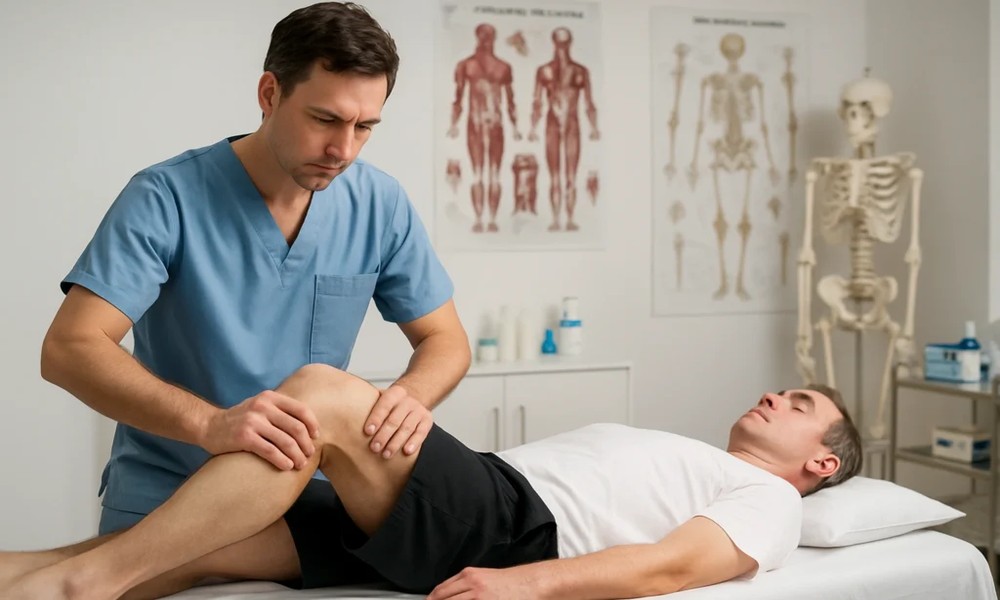
Bone health affects how a person stands, walks, lifts, and moves through a normal day. Strong bones help muscles and joints share effort in a steady, comfortable way. Good support also helps a person feel safer during chores, errands, exercise, and rest.
A bone health clinic in Wisconsin can look at strength, balance, and posture as connected parts of one system. Wisconsin adults may seek this type of care after a bone density test, a posture concern, or a change in stability. The care feels practical when test results lead to clear steps that suit home life, work tasks, and daily movement.
Understand Bone Strength
Bone strength starts with a clear look at health history, nutrition, activity, and risk factors. A clinic may review bone density results, past fractures, medicine use, and family history. This gives the care team a useful map before any exercise plan starts.
The goal is steady support for the whole frame, from the hips and spine to the ankles and feet. Wisconsin seasons can affect outdoor activity, so care plans may include simple indoor strength work. Clear goals help each person notice progress in balance, stamina, and comfort.
Support Safer Balance
Balance depends on the feet, legs, core, vision, and inner ear. A bone health provider may check gait, stance, step length, and reaction time. These checks show where the body needs better control during daily motion.
Simple balance drills can help a person feel steadier on stairs, curbs, rugs, and uneven paths. The provider may suggest heel raises, sit-to-stand practice, or supported single-leg stance. Each move should match the person’s current ability, so practice feels useful and safe.
Improve Posture In Real Life
Body posture affects breathing, spinal comfort, and how weight travels through the body. A clinic may assess shoulder position, head placement, hip alignment, and spinal curve. The team can then share cues that feel natural instead of stiff.
Good posture does not require a rigid pose or constant effort. It means the body stacks weight in a balanced way during work, rest, and movement. Chair height, screen level, footwear, and pillow support can all make daily posture easier.
Create A Personal Strength Plan
A useful strength plan fits the person, not a generic checklist. It may include resistance bands, light weights, wall pushups, step practice, or controlled chair exercises. The plan should match age, bone status, balance level, comfort, and energy.
A Wisconsin clinic may also review calcium, vitamin D, protein, hydration, and safe activity habits. These choices support bone tissue and help muscles work well during each session. A plan feels easier to follow when it fits a normal week and uses simple equipment.
Link Clinic Care With Daily Habits
Bone care works best when it connects with normal routines. A provider may teach safer ways to lift groceries, rise from a chair, carry laundry, or step into a shower. These practical details help clinic advice turn into real-life support.
Follow-up visits can review posture, strength, balance, and comfort. The care plan, it, can change as the person gains control, steadiness, and strength. In Wisconsin, this steady support can help people stay active through changing weather and varied routines.
Strong bones need clear care, steady movement, and habits that fit daily life. A bone health clinic in Wisconsin can support strength, balance, and posture through testing, exercise plans, and practical guidance. The best care feels personal, simple, and useful outside the clinic. When bones, muscles, and posture work together, movement can feel steadier and more comfortable. That kind of support can make everyday tasks feel more natural, from walking to lifting to standing tall.