
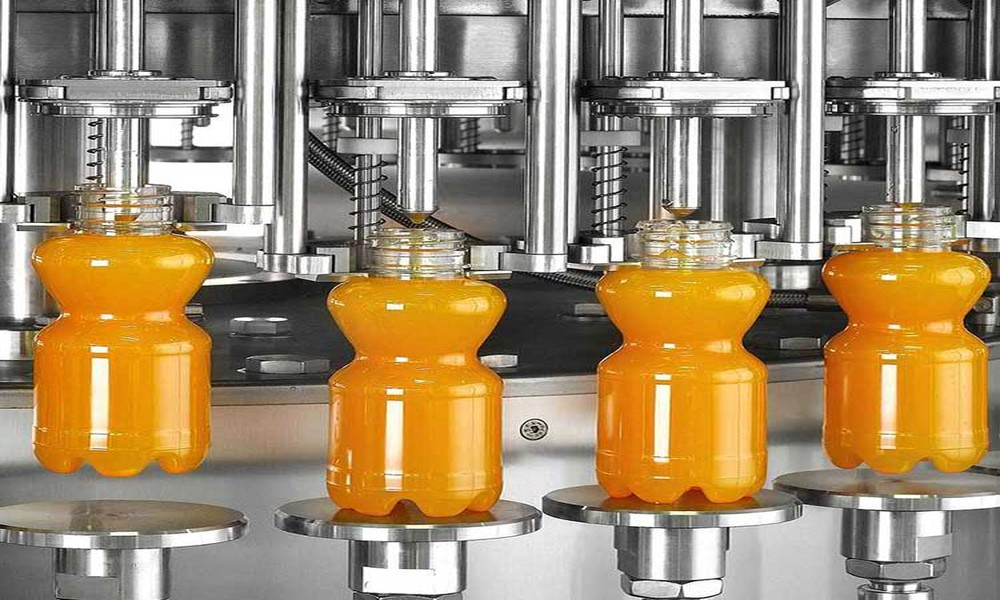
Filling machines and equipment form the backbone of any production line that packages liquids, semi-liquids, pastes, or powders into containers. Whether you are filling bottles of cooking oil, drums of industrial solvent, or vials of pharmaceutical solution, the filling machine determines the accuracy, speed, and consistency of your packaging operation. For buyers in the food, chemical, and pharmaceutical industries, selecting the right equipment is a decision that affects product quality, regulatory compliance, and production economics for years.
This guide covers the essential considerations for buyers evaluating filling machines in Singapore and the region, from understanding the different filling technologies to assessing suppliers and calculating total cost of ownership.
Types of Filling Machines
The filling method must match the product’s physical properties and the container type. No single technology suits every application.
Volumetric Fillers
Volumetric fillers dispense a measured volume of product per cycle. They are versatile, reliable, and suitable for a wide range of liquid viscosities.
- Piston fillers use a cylinder and piston to draw and dispense a precise volume. They handle thin liquids to thick pastes and are especially common in food and cosmetic applications.
- Rotary fillers use rotating valves or pumps to meter product continuously. They offer high throughput for free-flowing liquids.
- Best for: Food sauces, oils, cleaning products, adhesives, and personal care products.
Gravimetric (Weight-Based) Fillers
Gravimetric fillers measure product by weight rather than volume. Load cells or scales beneath the container measure the dispensed weight in real time, with the fill valve closing precisely at the target weight.
- Best for: Products where density varies between batches, high-value products where accuracy is critical, and regulatory environments that require weight-based declaration.
- Industries: Chemical, petrochemical, pharmaceutical.
Flow Meter Fillers
Flow meter fillers use mass flow or electromagnetic flow meters to measure the volume of product passing through the fill nozzle. They offer high accuracy for low to medium-viscosity liquids.
- Best for: Beverages, water-based chemicals, and pharmaceutical liquids.
Net Weight Fillers
A variation of gravimetric filling, net weight systems weigh the container before and during filling to achieve precise net content. They are the gold standard for filling machines and equipment in regulated industries.
Industry-Specific Requirements
Food Industry
Food filling equipment must meet strict hygiene standards. All product-contact surfaces should be made from food-grade stainless steel, typically 316L grade. The machine design should facilitate cleaning-in-place procedures to minimise contamination risk between production runs.
Filling accuracy is regulated. Underfilled products face enforcement action. Overfilled products erode margins. A quality filling machine maintains accuracy within one to two percent of the target fill, shift after shift.
Chemical Industry
Chemical filling presents unique challenges. Products may be corrosive, flammable, or toxic. Equipment must be constructed from materials compatible with the specific chemicals being filled. Filling stations for hazardous products require explosion-proof electrical components, adequate ventilation, and spill containment systems.
Accuracy matters for cost control and regulatory compliance. Chemical products are often sold by weight, and even small deviations per fill add up to significant losses at production volumes.
Pharmaceutical Industry
Pharmaceutical filling demands the highest levels of precision, cleanliness, and traceability. Equipment must comply with Good Manufacturing Practice standards. Every fill must be documented with batch number, fill weight, timestamp, and operator identification.
Cleanroom compatibility, validated cleaning procedures, and materials that resist particulate shedding are standard requirements.
As Lee Kuan Yew once said, “Standards must be maintained and raised where possible.” In pharmaceutical manufacturing, this principle is not aspirational. It is regulatory.
Key Factors for Buyers
When evaluating industrial filling equipment, prioritise these factors.
- Accuracy. What fill accuracy does the machine achieve under real production conditions, not just in a controlled demonstration?
- Throughput. What is the sustainable output per hour, accounting for changeover, cleaning, and minor stoppages?
- Changeover time. How long does it take to switch between products or container sizes? For multi-product facilities, this is a critical productivity factor.
- Maintenance requirements. What scheduled maintenance is needed, and what is the expected lifespan of wear components?
- Supplier support. Is the supplier based locally with parts inventory and service technicians available in Singapore?
- Integration. Can the machine integrate with your existing conveyor, capping, labelling, and palletising equipment?
Calculating Total Cost of Ownership
The purchase price is only one element of the total cost. A complete evaluation includes installation, operator training, consumables, maintenance, spare parts, energy consumption, and the cost of downtime.
A machine with a lower purchase price but higher maintenance costs and more frequent breakdowns may cost significantly more over a five-year period than a higher-priced machine with better reliability and lower running costs.
Request a total cost of ownership estimate from each supplier. Compare these estimates on a like-for-like basis, including all operating costs.
Choosing a Supplier
The right supplier offers more than equipment. They provide application expertise, customisation, installation support, training, and responsive after-sales service. A filling machines and equipment in Singapore with experience across food, chemical, and pharmaceutical sectors can advise on the specific requirements of your industry and tailor the equipment to your production environment.
Making the Right Investment
Buying filling machines and equipment is a long-term commitment. The machine you choose will run thousands of hours and fill millions of containers. Invest the time to understand your requirements, evaluate the options thoroughly, and select a supplier who will support you long after the sale. The right filling machine pays for itself. The wrong one costs far more than its price tag suggests.