
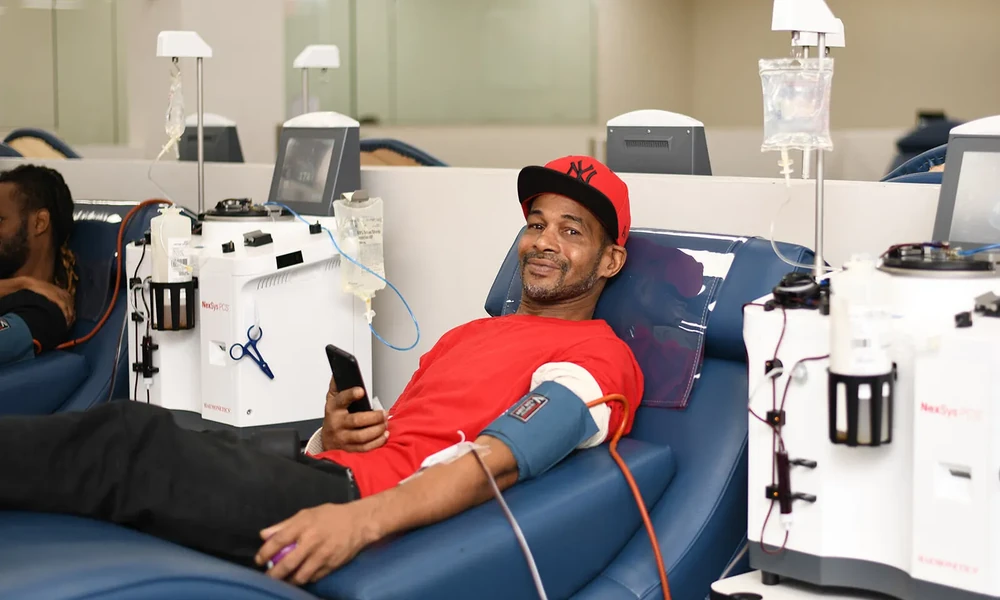
Key Takeaways
- Donating plasma provides an opportunity to earn compensation while helping supply essential plasma-derived medicines for patients with serious medical conditions.
- Plasma contains proteins and other components that are used to create treatments for conditions such as immune deficiencies and certain bleeding disorders.
- Individuals interested in donating plasma should understand the eligibility requirements, screening process, time commitment, and compensation policies before visiting a donation center.
- First-time donors typically complete registration, health screening, and a donation procedure that may take several hours, depending on the center and individual circumstances.
- Compensation varies by donation center, promotional offers, and donor eligibility, so prospective donors should confirm current payment details directly with the facility.
- Donors must meet health and eligibility requirements established by the donation center and applicable regulations to protect both donors and recipients.
- Proper hydration, adequate nutrition, and following post-donation instructions can help support a comfortable donation experience.
- The financial benefit is only one part of plasma donation; donors also contribute to the supply of treatments that can improve and save lives.
Why Donating Plasma in Calexico Is About More Than Money
The Vital Role of Plasma in Medical Treatments
Plasma is the liquid portion of blood and contains proteins, antibodies, electrolytes, and other substances that are essential to the body’s normal functions. Donated plasma can be used to manufacture therapies that help people living with serious health conditions, including certain immune disorders and bleeding disorders.
For this reason, plasma donors play an important role in supporting the healthcare system. Plasma-derived medicines can require donations from many individuals, making a consistent supply of donated plasma essential.
This is what makes donating plasma particularly meaningful. While donors may receive compensation for their time, their contribution also supports patients who depend on plasma-derived treatments.
How Local Donors Can Make a Difference
People searching for donating plasma for money calexico are often interested in the financial benefits, but the impact extends beyond compensation. Donated plasma enters a larger healthcare supply chain that helps produce treatments for patients across the country.
By becoming a regular donor when eligible, individuals can contribute to maintaining a reliable supply of plasma. This can be especially meaningful for people who want to support healthcare efforts while earning compensation for the time they spend donating.
The combination of personal financial benefits and community impact makes plasma donation a unique opportunity for eligible individuals.
What to Expect When Donating Plasma for Money
Your First Plasma Donation Visit
First-time donors may feel uncertain about what to expect. Fortunately, the process is generally structured to prioritize donor safety and comfort.
When arriving at a plasma donation center, new donors typically complete registration and provide identification. The center then conducts a health screening to determine whether the individual meets its eligibility requirements.
The screening process may include:
- Completing a health questionnaire.
- Providing information about medical history and medications.
- Checking vital signs and other health indicators.
- Undergoing any required testing.
- Reviewing the donation process and consent requirements.
If the donor meets the center’s eligibility standards, they can proceed with the donation process. Staff members are generally available to answer questions and explain each step.
How Long Does Plasma Donation Take?
The time required for a plasma donation can vary depending on whether it is a first visit or a subsequent donation. First-time visits may take longer because of registration, screening, and additional paperwork.
The actual plasma collection process can also vary based on the donor and the equipment used by the center. Prospective donors should plan to spend several hours at the facility for their first visit and confirm expected appointment times with the donation center.
Although the process requires a time commitment, many donors consider it worthwhile because they can contribute to the supply of life-supporting medical treatments while receiving compensation for their time.
Understanding Plasma Donation Compensation
One of the reasons people consider plasma donation is the possibility of earning compensation. However, payment amounts differ between donation centers and may change based on current promotions, location, donor status, and other factors.
Rather than assuming a specific amount, prospective donors should ask the center about its current compensation structure before scheduling an appointment.
Potential compensation may depend on:
- Whether the individual is a new or returning donor.
- The number of eligible donations completed.
- Current promotional programs.
- The donation center’s policies.
- Any applicable eligibility requirements.
For people who qualify, compensation can provide an additional financial benefit while they contribute to an important healthcare resource.
Health and Eligibility Requirements for Plasma Donors
Who Can Donate Plasma?
Eligibility requirements vary by donation center and applicable regulations. Generally, prospective donors must meet minimum age and weight requirements and pass a health screening before donating.
The screening process helps ensure that donating is appropriate for the individual and that the collected plasma meets safety standards.
Potential donors should be prepared to provide accurate information about their:
- Medical history.
- Current medications.
- Recent illnesses or procedures.
- Travel history, when relevant.
- General health and wellness.
Because eligibility rules can change, individuals should contact their chosen donation center directly for the most current requirements.
Why Donor Screening Is Important
Donor screening protects both the person giving plasma and the patients who may eventually benefit from plasma-derived products.
Health professionals at donation centers evaluate potential donors according to established safety protocols. If someone does not meet the requirements on a particular day, they may be asked to return at a later time.
This process helps ensure that plasma collection is conducted responsibly while maintaining high standards for donor and recipient safety.
Tips for a Better Plasma Donation Experience
Stay Hydrated and Eat Nutritious Meals
Preparation can make the donation experience more comfortable. Donors are generally encouraged to stay well hydrated and eat a balanced meal before their appointment, while following any specific instructions provided by the donation center.
A nutritious diet that includes adequate protein and other essential nutrients can support overall health. Donors should also follow the center’s guidance regarding foods, beverages, and activities before and after donation.
Some practical preparation tips include:
- Drink plenty of water before and after donating.
- Eat a balanced meal before the appointment.
- Bring required identification and documentation.
- Follow all instructions provided by the donation center.
- Avoid strenuous activities immediately after donating if advised by staff.
Proper preparation can help donors feel more comfortable and make the overall experience easier.
What Happens After Donating Plasma?
After the donation, donors are typically encouraged to rest briefly and have refreshments before leaving. Staying hydrated and following the center’s post-donation recommendations can support recovery.
Donors should pay attention to how they feel and notify staff if they experience dizziness, discomfort, or other concerning symptoms.
Following post-donation instructions is an important part of maintaining a safe and positive experience.
How Often Can You Donate Plasma?
The frequency of plasma donation depends on applicable regulations, the donation center’s policies, and the donor’s health and eligibility.
Unlike whole blood donation, plasma donation can generally occur more frequently because red blood cells are returned to the donor during the plasmapheresis process. However, donors must still follow the required waiting periods and health guidelines.
Before planning a regular donation schedule, individuals should confirm the current requirements with their chosen donation center. Donors who participate consistently may also have access to center-specific rewards or promotional programs, although these offers vary.
The priority should always be maintaining personal health while following the center’s established donation schedule.
The Financial and Humanitarian Benefits of Plasma Donation
Earning Compensation While Helping Others
For many eligible donors, plasma donation offers a combination of financial and humanitarian benefits. Compensation can help individuals offset the time spent at the donation center, while their plasma contributes to the production of important medical therapies.
This dual benefit makes plasma donation appealing to people who want to earn additional income while supporting healthcare needs.
However, financial compensation should not be the only consideration. Donors should also understand the time commitment, eligibility requirements, and potential physical effects before deciding whether regular plasma donation is right for them.
Supporting Patients Who Depend on Plasma-Derived Therapies
The broader impact of plasma donation is significant. Plasma-derived products are used to help manage a variety of serious medical conditions, and maintaining an adequate supply depends on continued participation from eligible donors.
Every successful donation contributes to a larger system that supports patients who may rely on these therapies.
For many donors, knowing that their contribution can become part of a treatment used to help someone else adds a meaningful dimension to the experience.
Finding a Plasma Donation Center in Calexico
Individuals interested in donating should research available donation centers and verify their current eligibility requirements before scheduling an appointment.
- Location and operating hours.
- Current donor eligibility requirements.
- Compensation policies.
- New-donor promotions, if available.
- Appointment availability.
- Health and safety procedures.
- Identification and documentation requirements.
It is also important to verify that the facility is properly licensed or authorized to collect plasma and follows applicable safety standards.
Calling ahead can help prospective donors understand the process and avoid unnecessary delays during their first visit.
FAQ
What is plasma used for?
Plasma contains proteins and antibodies that can be used to manufacture therapies for patients with certain immune deficiencies, bleeding disorders, and other serious medical conditions.
How much money can I earn by donating plasma?
Compensation varies by donation center, location, donor status, and promotional programs. Prospective donors should contact the facility directly to learn about its current payment structure and available incentives.
How long does a plasma donation appointment take?
The time varies depending on whether it is a first-time or returning visit. First appointments may take several hours because they include registration and health screening, while subsequent visits may be shorter.
Is donating plasma safe?
Plasma donation is generally considered safe for eligible donors when performed at an authorized facility that follows established safety procedures. Donors undergo health screening before donating and should follow all pre- and post-donation instructions.
How often can I donate plasma?
Donation frequency depends on applicable regulations, the donation center’s policies, and your individual health. The center will provide the appropriate schedule based on your eligibility.
What should I do before donating plasma?
Donors should generally follow the center’s preparation instructions, stay adequately hydrated, eat a nutritious meal, and bring the required identification and documentation.
What happens if I do not qualify to donate?
If you do not meet the eligibility requirements on a particular visit, the donation center may explain why you are temporarily or permanently ineligible. In some cases, you may be able to return after a specified waiting period.
Can I donate plasma for money in Calexico if I have a medical condition?
Eligibility depends on the specific medical condition, medications, and other health factors. The donation center’s medical screening team will determine whether you are eligible to donate.